From Sea to Shore #1 — A Letter Home from Trafalgar
4 November 2026
Introduction
Welcome to From Sea to Shore, a new series where we'll be sharing historical letters, journals, and written accounts from the sailors and officers who served during the Age of Sail. As we work on Steadfast, reviewing historical material and accounts are important to building the experience. We want to draw off these sources as much as possible.
While we often read about the great naval battles and the admirals who commanded them, we hear far less from the ordinary people who served aboard these ships. Fortunately, many of their letters and personal accounts have survived, giving us a glimpse into what life at sea was actually like over 200 years ago.
For our first entry, we're taking a look at a letter written by James Bagley, a Royal Marine serving aboard HMS Victory during the Battle of Trafalgar.
A Letter from HMS Victory
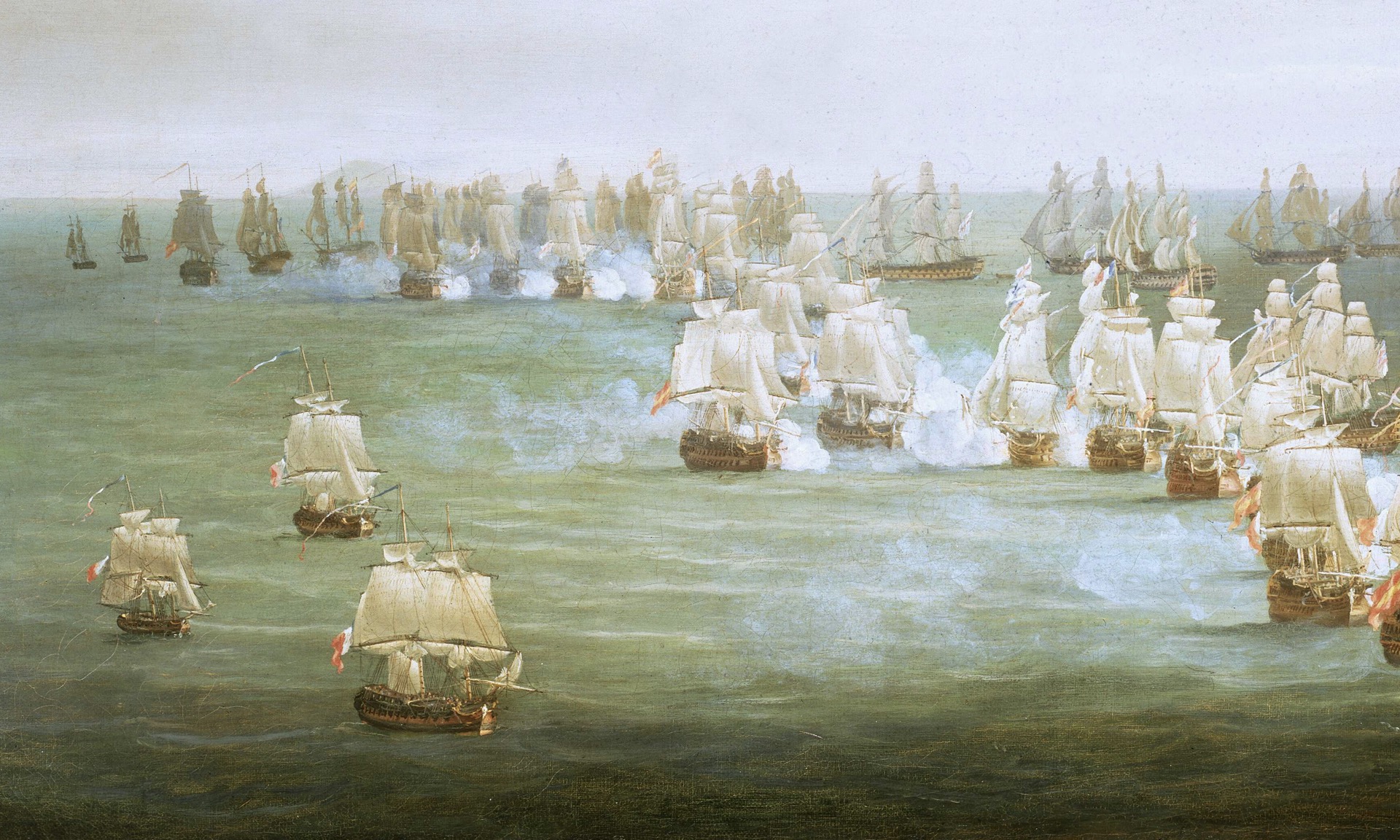
On 21 October 1805, the British fleet under Vice-Admiral Horatio Nelson engaged the combined French and Spanish fleets off Cape Trafalgar. Among the men aboard Nelson's flagship, HMS Victory, was Royal Marine James Bagley, who witnessed the battle firsthand.
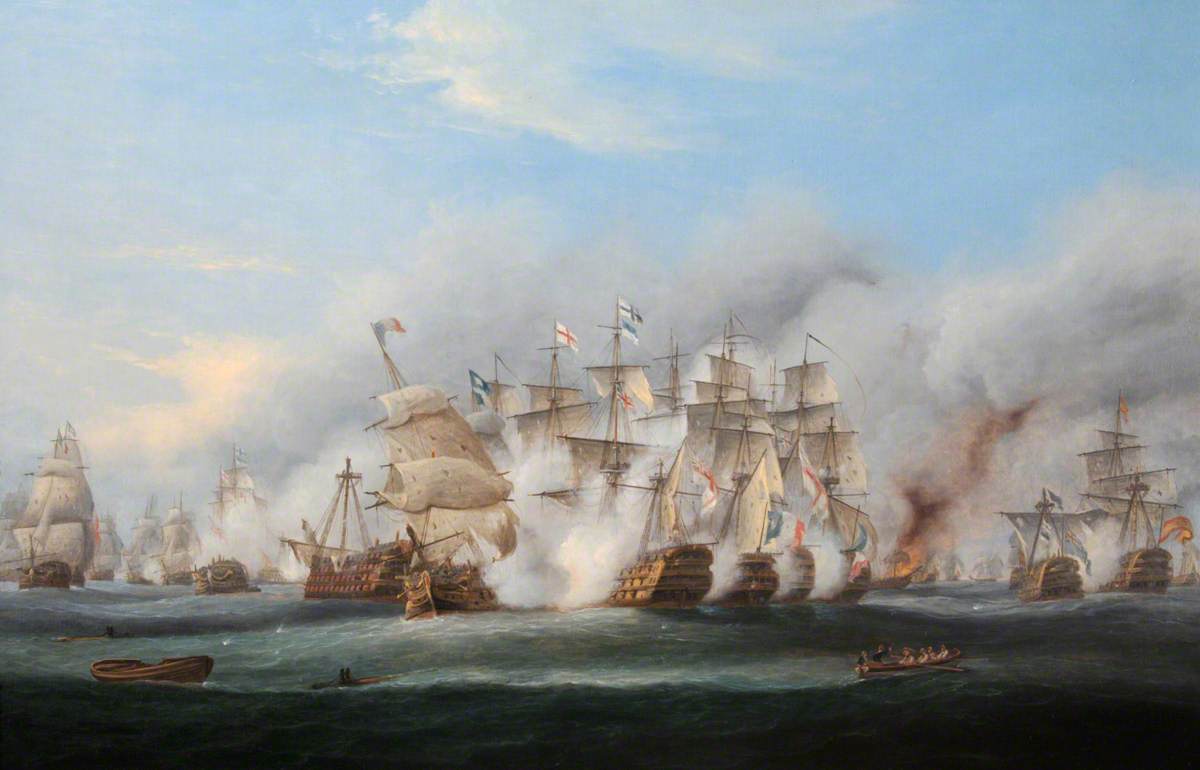
Victory was heavily engaged during the fighting, particularly with the French ships Bucentaure and Redoutable. The battle lasted several hours, and although the British secured a decisive victory, the losses were considerable. Nelson himself was mortally wounded during the engagement.
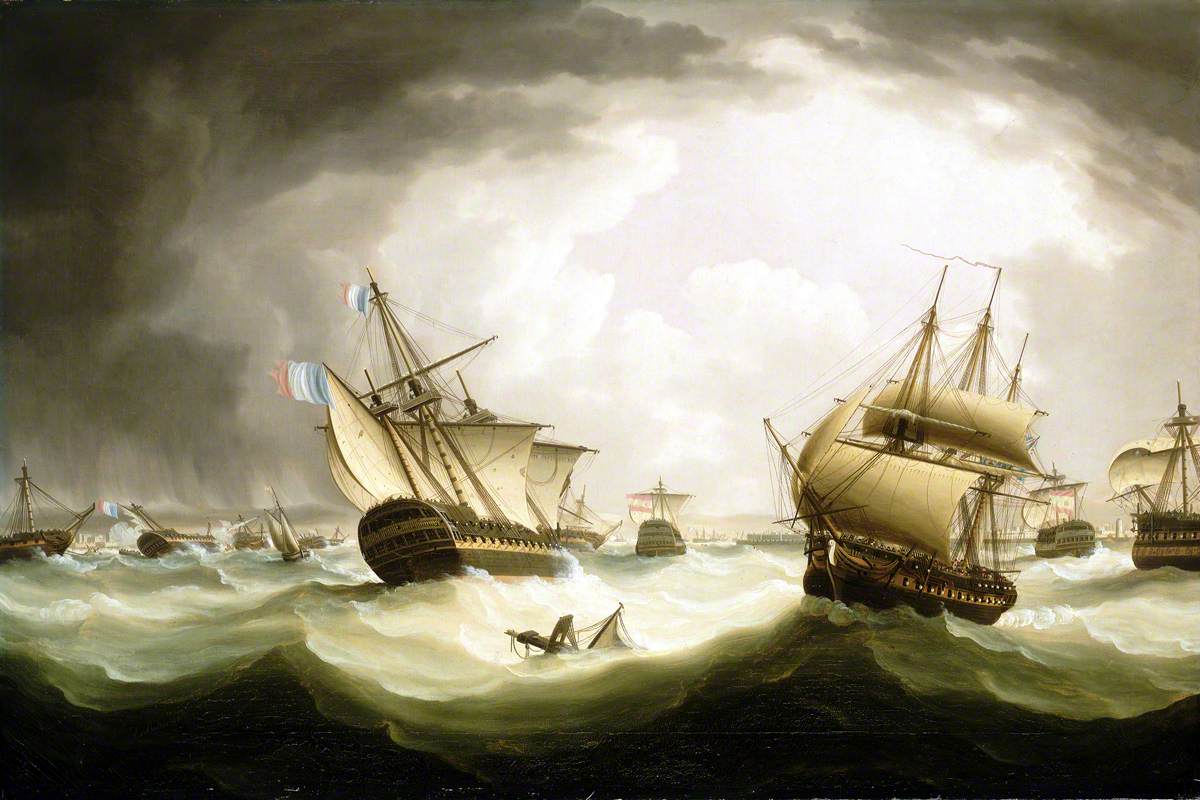
The days following Trafalgar were difficult as well. A severe storm struck the damaged fleets, leaving crews struggling to keep their ships afloat and bring their prizes safely into harbour.
On 5 December 1805, several weeks after the battle, Bagley wrote to his sister from aboard HMS Victory at Spithead.
In his letter, he describes the fighting, Nelson's death, the storm that followed, and his relief that both he and his brother Thomas survived.
The Letter
Victory, Spithead, Dec. 5, 1805.
Dear Sister,
Comes with my kind love to you are in good health so thank God I am; for I am very certain that it is by his mercy that me and my country is, and you and your religion is kept up; for it has pleased the Almighty God for to give us a complete victory of the combined fleets of France and Spain; for there was a signal for them being out of Cadiz the 19th of October, but we did not see them till the 21st, in the morning, and about 12 o'clock we gave three cheers, and then the engagement began very hot on both sides, but about five o'clock the victory was ours, and twenty sail-of-the-line struck to us.
They had 34 sail-of-the-line and we had 27 of the line, but the worst of it was, the flower of the country, Lord Nelson, got wounded at twelve minutes past one o'clock, and closed his eyes in the midst of victory.
Dear sister, it pleased the Lord to spare my life, and my brother Thomas his, for he was with the same gentleman. It was very sharp for us, I assure you, for we had not a moment's time till it was over, and the 23rd of the same instant we got a most shocking gale of wind, and we expected to go to the bottom, but, thanks be to God, He had mercy on us, for every ship of ours got safe into harbour, and all the French but four got knocked to pieces on the rocks.
So that is the most I can tell you of it, for the English is in a right cause you may depend on it, or else the Lord would not have had the mercy on us as He has had, for we made five ships strike to the ship has I am in.
We had 125 killed and wounded, and 1500 in the English fleet killed and wounded, and the enemy 12,000; so I shall leave you to judge how your country fight for the religion you enjoy, the laws you possess, and on the other hand how Bounaparte has trampt them causes down in the places he has had concern with, for nothing but torment is going forward.
So never think it is disgrace to having brothers in service; but I have had pretty well on it, and when you write to our mother, give my love to my sister Betty and my poor mother, and send me word about her and you shall have your loving brother's thanks. So must conclude with hoping this will bring you peace and love and unity.
Then you and me and our dear mother will meet together to enjoy the fruits of the island as I have been fighting for. My dear, I shall just give you a description of Lord Nelson. He is a man about five feet seven, very slender, of an affable temper; but a rare man for his country, and has been in 123 actions and skrimmages, and got wounded with a small ball, but it was mortal. It was his last words, that it was his lot for me to go, but I am going to heaven, but never haul down your colours to France, for your men will stick to you.
These words was to Captain Hardy, and so we did, for we came off victorious, and they have behaved well to us, for they wanted to take Lord Nelson from us, but we told Captain as we brought him out we would bring him home; so it was so, and he was put into a cask of spirits.
So I must conclude. Your loving brother,
James Bagley.
After the Battle
One of the interesting things about Bagley's letter is how much attention he gives to the weather following Trafalgar.
The battle itself had been a great victory for the Royal Navy, but the storm that arrived shortly afterward created another challenge for the already damaged ships. Several captured French and Spanish vessels were lost, and the British crews had to contend with heavy seas, damaged rigging, and exhausted men.
Bagley's account also gives us a sense of how Nelson was regarded by those serving under him. He spends a considerable part of his letter describing the admiral and recounting what he understood to have been Nelson's final words.
As with many accounts written after a battle, some details differ from other historical records. Nevertheless, the letter is an interesting firsthand account of how the events at Trafalgar were remembered by one of the men who took part.
Perhaps most importantly, Bagley was writing to his family. Amid his description of the fighting and the victory, he expresses his gratitude that he and his brother had survived.
Letters from the Fleet
As we continue developing Steadfast, we'd like to share more of these historical accounts alongside our regular development journals.
Steadfast focuses on naval warfare during The French Revolutionary and Napoleonic Wars, from 1793 to 1815. Researching the ships, tactics, and battles of the period naturally brings us across the stories of the people who served aboard them.
Through Letters from the Fleet, we'll be exploring some of those stories, from the experiences of ordinary sailors to the correspondence of captains and admirals.
We hope you've enjoyed this first entry, and we'll be sharing more in the future!
Fair winds and following seas!
Historical Sources
- James Bagley, letter to his sister, 5 December 1805, HMS Victory, Spithead. View original manuscript
- Reproduced in Edward Fraser, Champions of the Fleet: Captains and Men-of-War and Days That Helped to Make the Empire (1908), Chapter IX, "On Board Our Flagships at Trafalgar." Read on Project Gutenberg
The letter is reproduced from a public-domain historical publication, retaining the original wording and spelling as transcribed by Edward Fraser.